Tetanus – Etiology, Pathogenesis, and Treatment

Introduction Tetanus is a serious bacterial disease caused by the bacterium Clostridium tetani. It affects the nervous system, leading to …

Medical Microbiology is the branch of microbiology that focuses on the study of microorganisms that cause diseases in humans, their diagnosis, treatment, and prevention. Medical Microbiology is the study of pathogenic microbes — bacteria, viruses, fungi, and parasites — that are responsible for human infectious diseases, including how these microorganisms interact with the host and how to control them.
Introduction Tetanus is a serious bacterial disease caused by the bacterium Clostridium tetani. It affects the nervous system, leading to …

Introduction of botulism Botulism is an intoxication caused by neurotoxins produced by Clostridium botulinum, which adversely affects the synapses of …

Introduction Microorganisms have significant roles in human survival, an adult human body is consisting of a lot more than millions …

What is Malaria? The most important human protozoal pathogens belong to the genus Plasmodium and are the causative agents of …

What is Pneumocystis pneumonia? Pneumocystis pneumonia (PCP), a severe, infectious lung disease, was recognized just after World War II in …
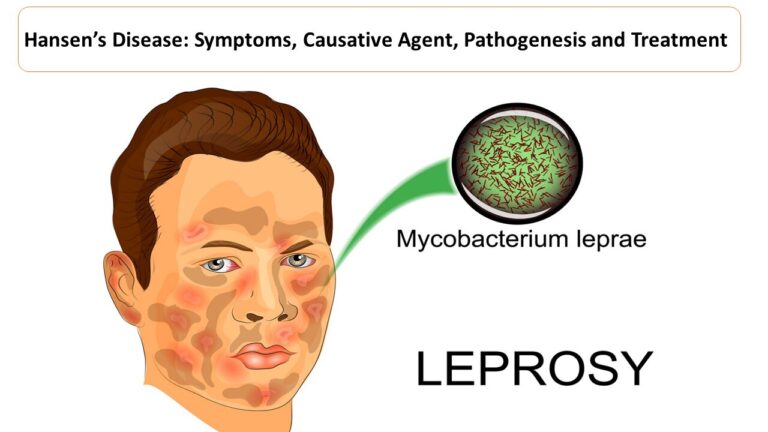
Introduction Hansen’s disease, also known as leprosy, is an ancient disease appearing throughout written history. Disfigurement, loss of limbs, and …

Introduction of Clinical Specimen Collection The laboratory can make accurate and useful determinations only if a specimen has been collected …

What is Syphilis? Syphilis Is a Chronic, Infectious Disease, Over the centuries, Europeans have had to contend with four pox …
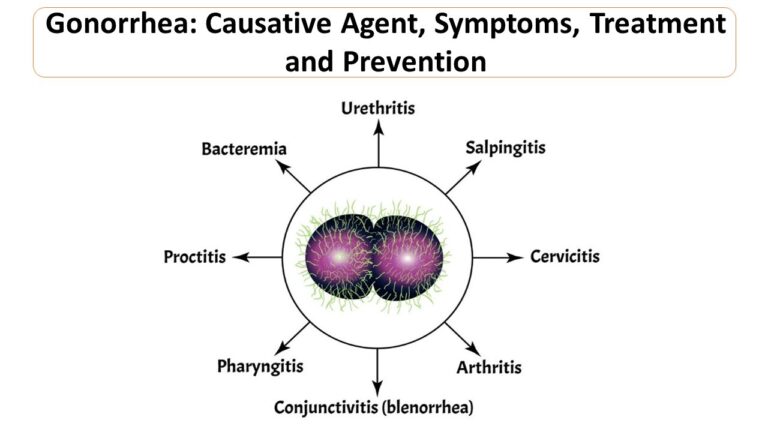
What is Gonorrhea? One of the most common STIs in men and women is gonorrhea. Importantly, the ability to treat …

Introduction STIs continue to be a major public health challenge in the United States. In fact, the CDC reports that …