Bioremediation: Definition, Types, Process and Application

What is Bioremediation? Bioremediation refers to the method that employs living beings primarily microorganisms like bacteria, fungi, and actinomycetes, along …

Environmental Microbiology is the study of microorganisms in natural and artificial environments, focusing on their impact on ecological balance, biogeochemical cycles, pollution control, waste management, and public health.
What is Bioremediation? Bioremediation refers to the method that employs living beings primarily microorganisms like bacteria, fungi, and actinomycetes, along …

Introduction In microbial ecology, microorganisms are associated with higher organisms. The term symbiosis (“together- life”), elaborates various interactions between microorganisms …

Introduction Nutrients present in the environment, such as nitrogen, sulfur, phosphorous, manganese, and iron are cycled, carried out during the …

Introduction WHO and UNICEF states that 1 billion population worldwide do not have access to safe, potable water, and 40% …

Introduction Role of Viruses in aquatic ecosystem are important for marine and freshwater microbial communities. In fact, virioplankton are the …

Microorganisms in Freshwater Ecosystems – Overview Freshwater ecosystems include environments like lakes, rivers, ponds, streams, wetlands, and groundwater. These habitats …

Microorganisms in Benthic Marine Environments – Overview Benthic marine environments refer to the ocean floor and its sediments, ranging from …
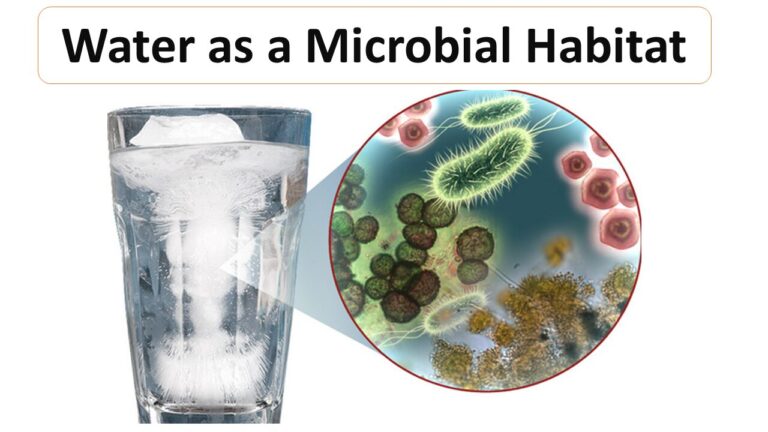
Water as a Microbial Habitat – Overview Water is a vital habitat for microorganisms, offering a medium for nutrient transport, …

Iron Cycle – Overview The iron cycle is a biogeochemical cycle describing the movement and transformation of iron (Fe) through …
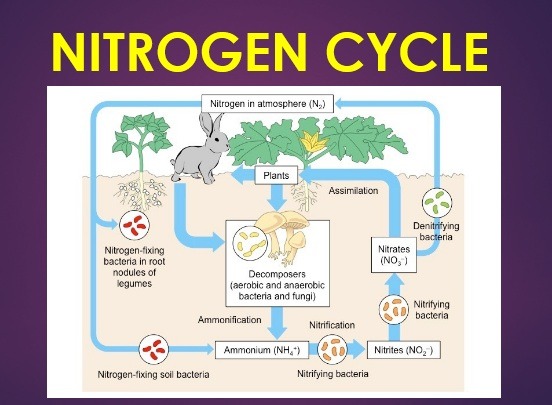
Introduction The Nitrogen Cycle is a vital biogeochemical cycle that describes the movement and transformation of nitrogen through the atmosphere, …