
Introduction
Below is a complete guide to the Top 10 Universities in Australia for pursuing Microbiology, along with program highlights and career prospects.
Australia is home to world-class universities known for cutting-edge research, advanced laboratories, and globally ranked microbiology programs. Whether you’re interested in medical microbiology, immunology, virology, environmental microbiology, or biotechnology, Australian institutions offer excellent academic and research opportunities for international and domestic students.
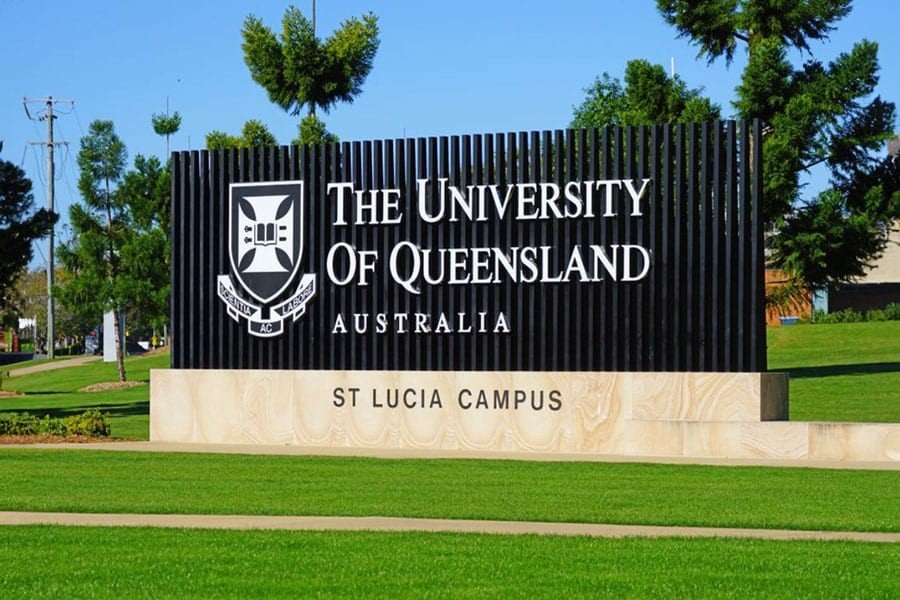
1. University of Queensland (UQ)
The University of Queensland is one of Australia’s most prestigious institutions for microbiology. The program is taught by leading academics who are active members of research groups and societies such as:
- Australasian Virology Society
- Australian Society for Microbiology
- Australasian Society for Immunology
UQ is ranked 2 in Australia and 25 globally for microbiology in the 2024 NTU Performance Ranking.
Students gain hands-on experience in:
- Microbial biotechnology
- Clinical microbiology
- Virology
- Immunology
- Environmental microbiology
These research-focused courses prepare graduates for careers in diagnostic laboratories, veterinary science, biotechnology, agriculture, and advanced research.
2. University of Melbourne
The University of Melbourne offers an in-depth microbiology and immunology program covering viruses, bacteria, fungi, algae, and protozoa. With an Honors program deeply rooted in laboratory research, students transition from theoretical learning to real scientific investigation.
Students learn to:
- Conduct experiments
- Analyze and interpret scientific data
- Present research findings
- Design laboratory experiments
Graduates are equipped for careers in biotechnology, infectious disease research, healthcare, and immunology.

3. University of Sydney
The University of Sydney provides a comprehensive microbiology major focusing on the study of microbes and their critical roles in health, disease, ecosystems, and industry.
Topics covered include:
- Molecular microbiology
- Genomics, transcriptomics, and proteomics
- Microbial genetics
- Antimicrobial resistance
- Microbial evolution
This major blends advanced research, practical training, and modern laboratory methods to prepare students for both industrial and clinical microbiology careers.
4. Monash University
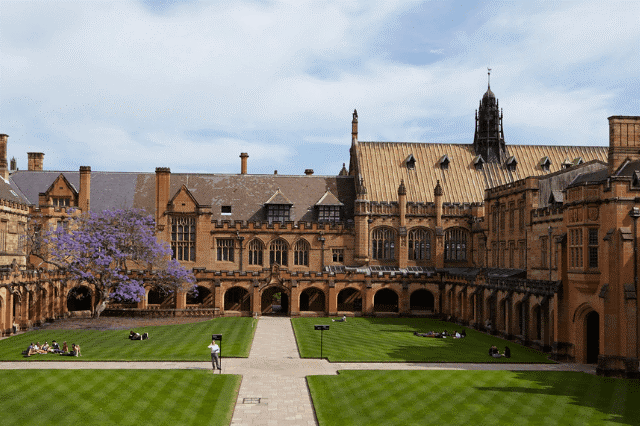
Monash University’s Department of Microbiology, part of the Monash Biomedicine Discovery Institute, is one of the most research-active departments in Australia.
Highlights:
- Over 150 academic staff
- 17 research teams with national-level competitive funding
- State-of-the-art laboratories at Clayton Campus
- Programs integrated with medicine, biomedical science, and food science
Monash is known for world-class research in microbiology, immunology, and virology, making it a top choice for advanced degrees including PhD studies.
5. University of New South Wales (UNSW)
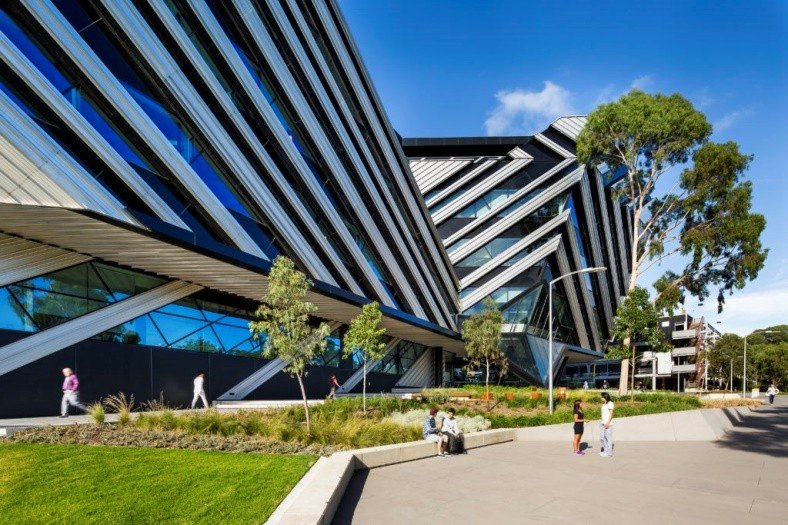
UNSW Sydney offers a strong microbiology curriculum focusing on bacteria, fungi, protozoa, archaea, and viruses. The program emphasizes the ecological and biotechnological importance of microbes.
Students explore:
- Nutrient cycling
- Biodegradation
- Microbial contributions to food and medicine
- Environmental microbiology
UNSW is excellent for students interested in applied microbiology and biotechnology careers.
6. University of Adelaide
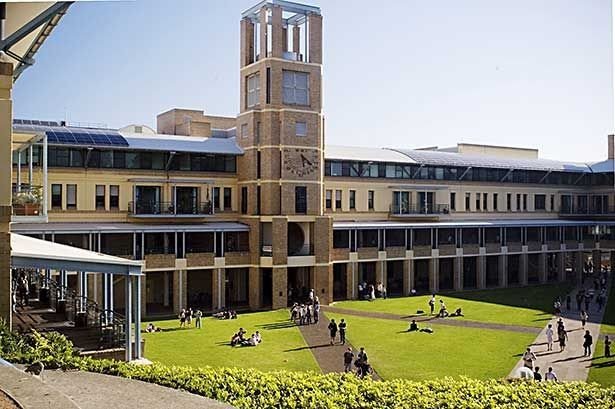
The University of Adelaide offers a robust microbiology and immunology major that blends theoretical and hands-on learning. Students explore topics such as:
- Microbial evolution
- Host-pathogen interactions
- Human immunity
- Parasitology
- Molecular microbiology
With 180+ hours of lab work, graduates develop strong research and analytical skills applicable in healthcare, agriculture, public health, and diagnostics.

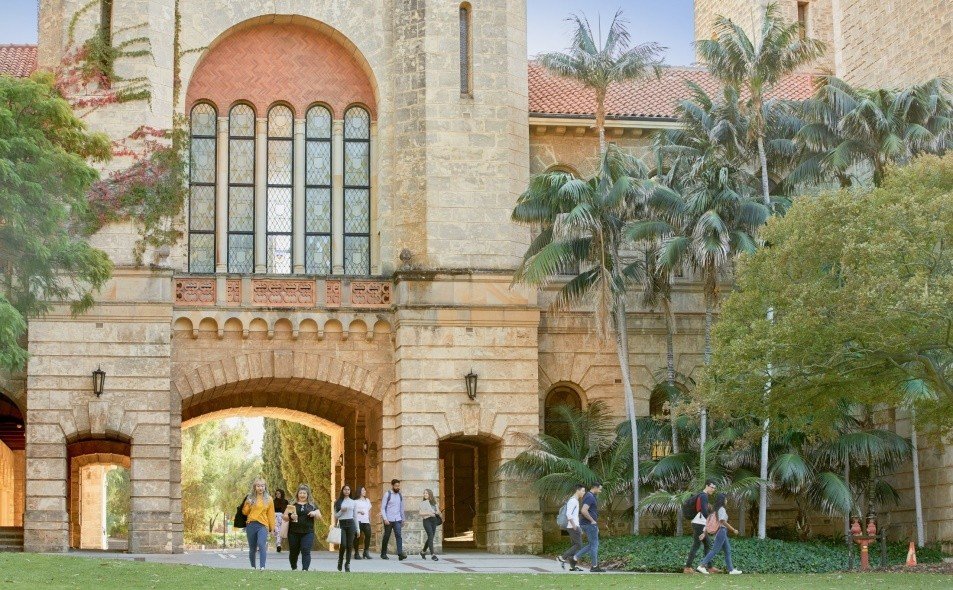
7. University of Western Australia (UWA)
UWA integrates immunology and microbiology with strong research in bacteriology, virology, and microbial genetics.
The program covers:
- Allergic diseases
- Microbial ecology
- Industrial microbiology
- Microscopy and bacterial isolation
- Biomedical applications
UWA’s strong focus on laboratory competency prepares students for clinical and biotechnology roles.
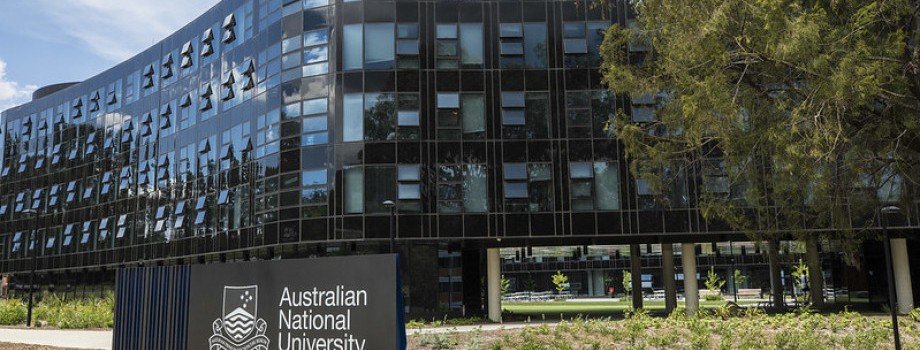
8. Australian National University (ANU)
ANU’s Microbiology and Immunology specialization focuses on understanding pathogens and immune responses.
Students learn:
- Mechanisms of infection
- Immune evasion strategies
- Immunotherapies
- Cancer immunology
- Advanced molecular microbiology
ANU is well-known for preparing students for careers in research, health policy, and laboratory science.
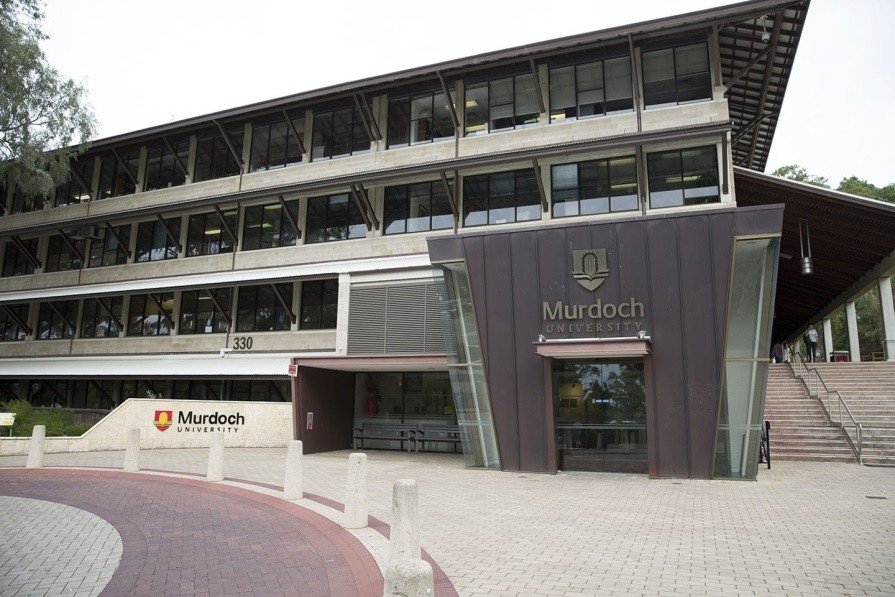
9. Murdoch University
Murdoch University is a strong choice for students interested in:
- Pathogen detection
- Antimicrobial resistance
- Vaccine development
- Immunotherapies
Located near major hospitals and research institutes, Murdoch offers excellent practical training through the AMRID laboratory and modern teaching labs.
10. Griffith University
Griffith University focuses on health and medical microbiology. Students gain theoretical and hands-on experience in:
- Microbial growth and culture techniques
- Antibiotic action and resistance
- Clinical microbiology
- Microbial identification
Griffith programs prepare students for careers in clinical diagnostics, research labs, and public health.

Conclusion
Australia offers some of the best microbiology programs in the world, with universities providing advanced laboratories, cutting-edge research, and strong industry connections. Whether your interest lies in medical microbiology, immunology, environmental microbiology, or biotechnology, these top universities provide excellent pathways to fulfilling careers and postgraduate research opportunities.
Choosing any of these 10 institutions ensures high-quality education and the chance to contribute to life-changing scientific advancements.
FAQs
Q1. Which university is best for microbiology in Australia?
The University of Queensland and the University of Melbourne consistently rank among the top institutions for microbiology due to their strong research output and advanced laboratory facilities.
Q2. Is microbiology a good career in Australia?
Yes. Microbiologists are in demand in healthcare, diagnostics, biotechnology, agriculture, pharmaceuticals, and research institutions across Australia.
Q3. What is the duration of a microbiology degree in Australia?
Most Bachelor of Science (Microbiology) programs take 3 years, while Honours or specialization options may extend to 4 years.
Q4. Do Australian universities offer microbiology scholarships?
Yes. Many universities—including Melbourne, UQ, UNSW, and ANU—offer scholarships for domestic and international students based on merit and research performance.
Q5. Can international students study microbiology in Australia?
Absolutely. All listed universities accept international students and offer globally recognized degrees along with research opportunities.
Read Also
