Introduction to Spirillum
Spirillum (plural: spirilla) refers to a group of spiral-shaped, Gram-negative bacteria known for their distinct helical morphology and motility via flagella. Belonging to the phylum Proteobacteria, Spirillum species are primarily found in freshwater environments, where they play key ecological roles such as nitrogen fixation and degradation of organic matter.
These bacteria exhibit a rigid spiral shape and are recognized for their relatively large size compared to other bacterial forms. Most Spirillum species are free-living, though some are implicated in human diseases.
Morphology and Cell Structure
General Characteristics:
- Shape: Rigid, corkscrew-like (spiral or helical).
- Gram Reaction: Gram-negative.
- Motility: Possess polar flagella, often seen in tufts.
- Size: Diameter of 4–1.7 μm; length up to 60 μm.
- Structure: Helical body with 1–5 turns, rigid cell wall.
Spirilla can be distinguished from other spiral bacteria like spirochetes by their rigidity and method of motility. Unlike spirochetes, which use axial filaments, spirilla use external flagella.

Spirillum vs. Other Spiral Bacteria
| Bacterial Type | Shape & Structure | Motility | Examples |
| Vibrio | Comma-shaped, single curve | Flagella | Vibrio cholerae |
| Spirillum | Rigid spiral, 6–15 μm | Polar flagella | Campylobacter jejuni, Helicobacter pylori |
| Spirochete | Flexible helical corkscrew | Axial filaments | Treponema pallidum, Leptospira spp. |
Metabolism and Biochemical Features
- Metabolism: Microaerophilic (requires 1–9% oxygen).
- Respiration: Strictly respiratory.
- Catalase: Low activity.
- Oxidase: Positive.
- Phosphatase: Positive.
- Nitrate Reduction: Absent.
- Carbohydrate Metabolism: Cannot oxidize or ferment carbohydrates.
- Enzymatic Activity: Unable to hydrolyze starch, casein, gelatin, or esculin.
- Storage Granules: PHB (polyhydroxybutyrate) granules, often called volutin.
Spirilla-Like Bacteria (Not True Spirillum)
Some spiral-shaped bacteria resemble Spirillum morphologically but are taxonomically distinct:
1. Helicobacter pylori
- Gram-negative, spiral-shaped.
- Found in the human gastrointestinal tract.
- Causes gastritis, peptic ulcers, and gastric carcinoma..
2. Campylobacter jejuni
- Curved or spiral, Gram-negative.
- Leading cause of bacterial gastroenteritis.
- Transmission via contaminated food or water.
3. Spirochetes
- Thin, flexible spiral forms.
- Move using axial filaments.
- Cause diseases like Lyme disease, syphilis, and leptospirosis.
Diseases Caused by Spirillum: Rat Bite Fever
Overview
Rat Bite Fever (RBF) is a zoonotic disease transmitted from rodents to humans. It is caused by two bacteria:
- Streptobacillus moniliformis
- Spirillum minus
Of these, Spirillum minus is more commonly associated with spirillary rat bite fever, particularly in Asia, including Japan.
Transmission
- Rodent bites
- Contact with rodent urine or secretions
- Contaminated food/water
- Pets (dogs/cats) exposed to infected rodents
Histology of Rat Bite Fever
Both species are present as normal oral flora in rodents. Although researchers have observed it in the United States, Europe, Australia, and Africa, Japan is where it most frequently occurs. Usually, a rat bite spreads it. In some instances, exposure to an infected rodent’s urine or other bodily fluids confirms the infection.
These secretions might come from the mouth, nose, or eyes. Food or water tainted with urine or feces can also spread it. Household pets like dogs or cats exposed to rodents may transmit the illness to humans later. To minimize the risk of infection if a rodent bites a person, the person should wash and clean the wound as soon as possible.
Symptoms of Rat Bite Fever
- Incubation: 2–4 weeks post-exposure.
- Fever (relapsing or persistent).
- Migratory polyarthritis (joint pain/swelling, especially knees/ankles).
- Rigors.
- Myalgia and back pain.
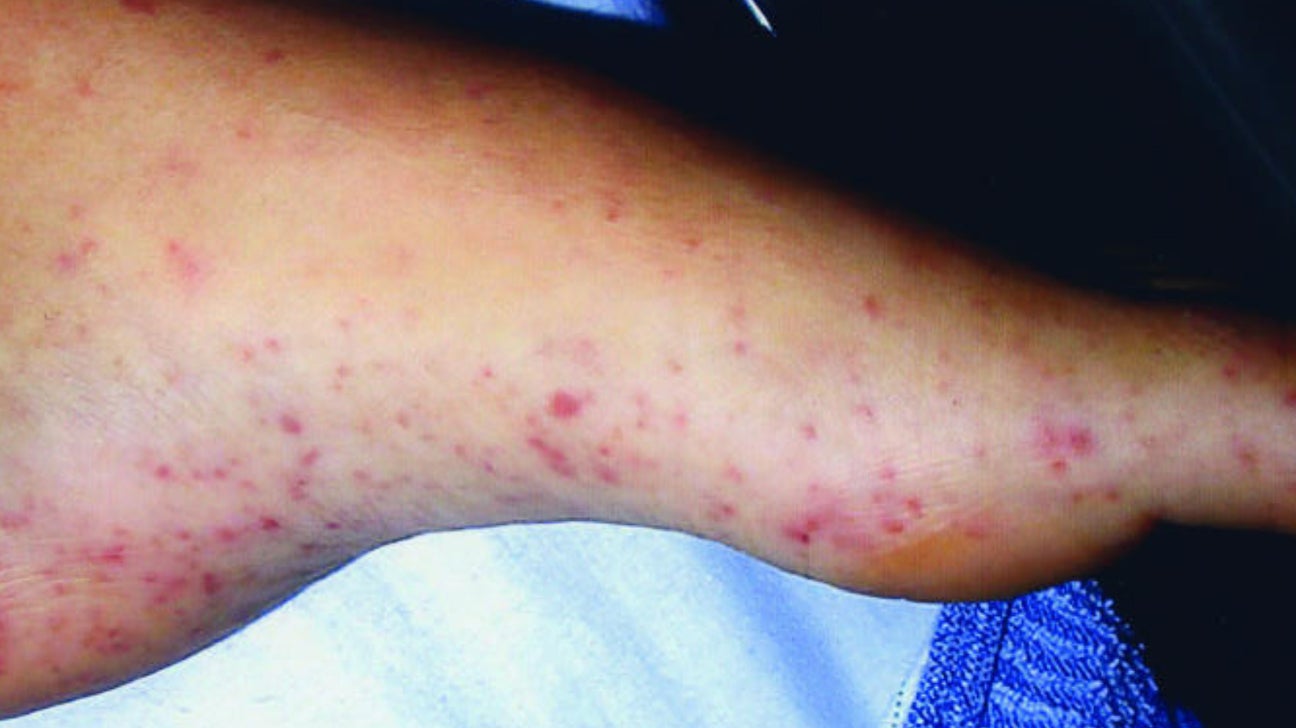
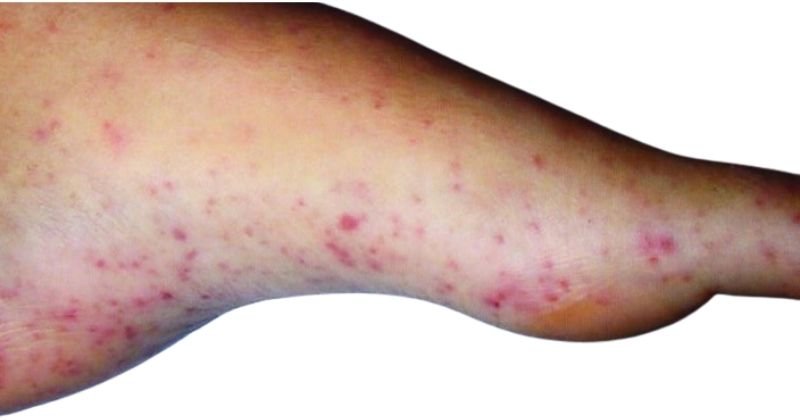
- Rash may develop.
- Lymph node swelling uncommon.
- Bite site often appears healed.
Diagnosis of Spirillary Rat Bite Fever
- Dark-field microscopy
- Giemsa staining
- Clinical history of rodent exposure is crucial
Prevention of Rat Bite Fever
- Avoid contact with wild rodents and infested environments.
- Practice good hygiene after handling pets or rodent-prone materials.
- Clean and disinfect wounds immediately after a rodent bite.
- Early oral antibiotic prophylaxis can prevent infection.
Conclusion
Spirillum and spirilla-like bacteria represent a morphologically distinct group of microbes with important environmental and medical implications. While most Spirillum species are non-pathogenic, some like Spirillum minus are capable of causing rat bite fever, a potentially serious but preventable disease. Awareness, hygiene, and early diagnosis are key to controlling its spread.
Also Read
Reference and Sources